Calabrian Easter Sgute: recipe with oil and baker’s yeast
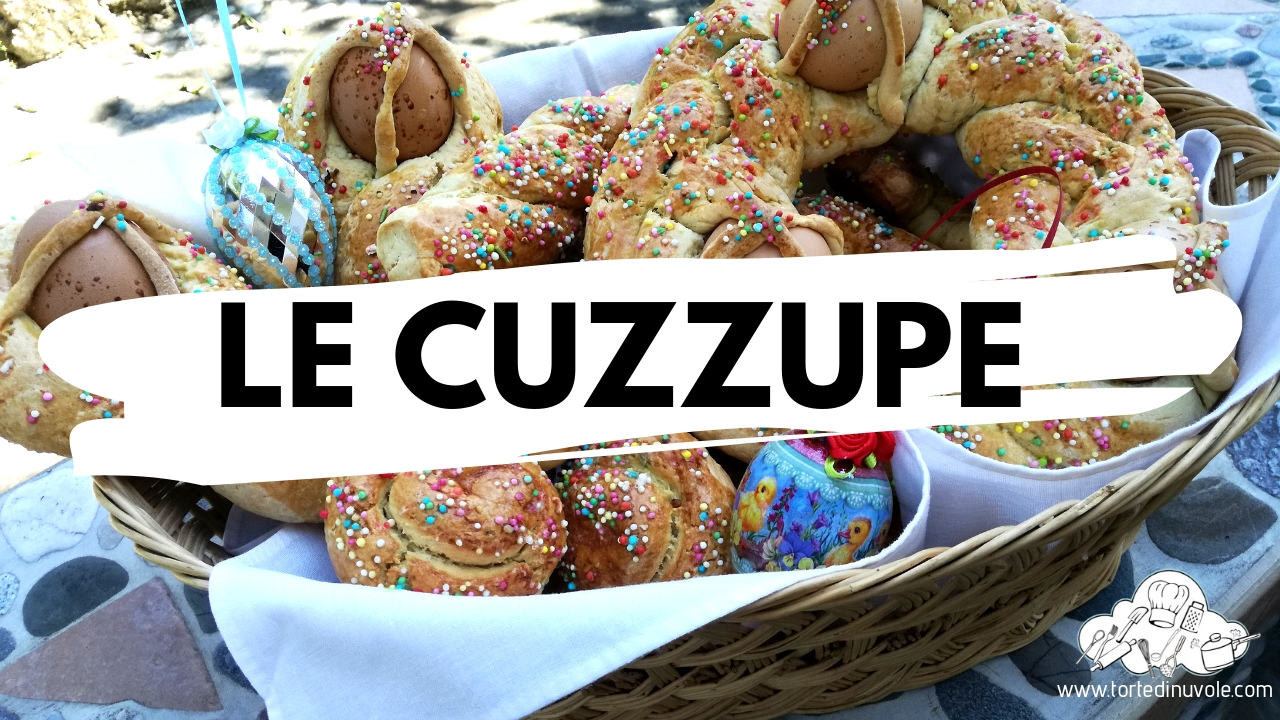
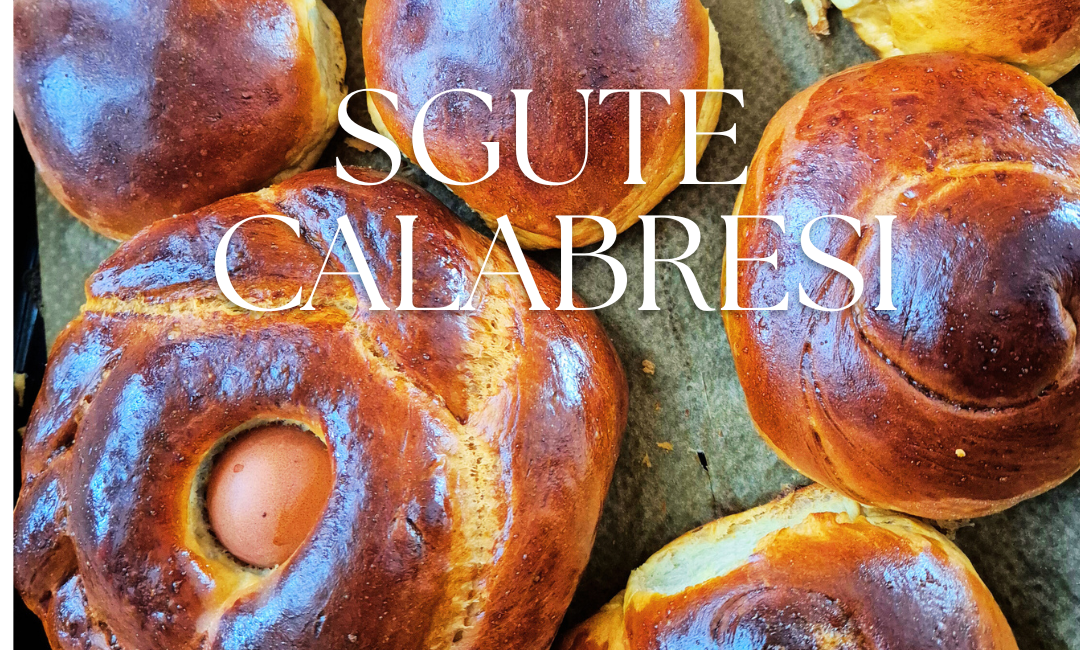
Calabrian Easter sgute are one of the most symbolic desserts of Southern Italy’s Easter tradition. Also known as Gute, Angute, Ngute, Cuzzupe or Cuzzupi, they change name and shape from town to town, but they always carry the same meaning: celebrating Easter, rebirth and sharing.
In many families, these sweets were prepared together during the week before Easter. Women would gather in the kitchen and make large batches of dough, shaping them into braids, rings, dolls or baskets, often decorated with hard-boiled eggs, a symbol of new life.
On my website you’ll find different versions of this traditional dessert, because in Calabria there is no single recipe. Some use sourdough, others baker’s yeast, and others baking powder. Even the fats vary: some use oil, others butter or lard.
The version I’m sharing today uses sunflower oil and a pre-ferment prepared the night before—a small trick that makes the dough more flavorful and soft.
Ingredients
- 1 kg flour
- 7 g dry yeast (or half a cube of fresh yeast)
- 160 g sugar
- 2 eggs
- grated lemon zest
- 160 g sunflower seed oil
- milk as needed (up to 180 ml)
Preparation
Pre-dough (the night before)
The night before, take 300 g of flour from the total amount.
Dissolve the yeast in 4 tablespoons of lukewarm milk.
Add the flour and mix. If necessary, add a little more milk until you get a soft, sticky mixture.
Cover the bowl and let it rest overnight at room temperature.
This step creates a sort of pre-ferment that will make the sgute more fragrant and softer.
The next morning, take the risen pre-dough and transfer it to a large bowl.
Making the dough
Add:
- the remaining flour
- sugar
- eggs
- grated lemon zest
- sunflower oil
Start kneading, adding milk little by little until you get a soft but workable dough.
Knead for several minutes until the dough becomes smooth and elastic.
Cover and let it rise until doubled in size (about 2 hours, depending on room temperature).
Shaping the sgute
Once risen, divide the dough and create traditional shapes.
Sgute can be shaped into:
- crowns
- rings
- braids
- baskets
- little dolls
In many traditional versions, a hard-boiled egg is placed in the dough and secured with two crossed strips.
After shaping, let them rest for another 30–40 minutes.
Baking
Bake in a static oven at 200°C for about 15 minutes, until lightly golden.
Then lower the temperature to 180°C and bake for another 5 minutes.
After about 20 minutes, check the color:
- if they are already nicely golden, they are ready
- otherwise continue baking for a few more minutes
Total baking time is usually around 20–25 minutes.
Make sure the oven is preheated before baking.
Once baked, let them cool completely.
Variations
One of the most fascinating things about sgute is that there is no single recipe.
In different areas of Calabria:
- sourdough may be used
- lard may replace oil
- the dough can resemble sweet bread
- or become more like a glazed biscuit
Even the name changes: Sgute, Gute, Angute, Ngute, Cuzzupe, Cuzzupi, Piccidat, Cuculi.
These differences highlight something important: traditional cuisine is never identical, because it is shaped by family habits and local ingredients.
That’s why sharing all recipe variations is essential—to preserve the connection with these traditions.